

Ecology & Environmental Monitoring Services
At AJEC, we are driven by an ecosystem-based approach that emphasizes the connection between people and the natural world. We take a holistic view of the environment, considering its ecological, cultural, social, recreational, and economic importance.
Our team of environmental experts provide systematic, science-based assessment of terrestrial and marine ecosystems alongside comprehensive monitoring of key environmental quality parameters to support regulatory compliance, impact evaluation, and informed environmental management. We use established field and analytical methodologies to generate defensible data for planning, operations, and environmental decision-making.
Terrestrial Ecology
At AJEC, we offer comprehensive support in terrestrial ecology, providing expertise in the assessment, management, and restoration of terrestrial ecosystems.
Our services include conducting detailed habitat assessments, biodiversity surveys, and ecological impact evaluations to understand the intricate relationships between flora, fauna, and their environments.
With a focus on evidence-based practices, we utilize the latest scientific techniques and methodologies to develop sustainable management plans that enhance ecosystem health and resilience.
By collaborating closely with stakeholders, we ensure that our strategies are tailored to meet the specific needs of each project while promoting biodiversity conservation and ecological balance across diverse landscapes.
We can help with:

Flora Assessment
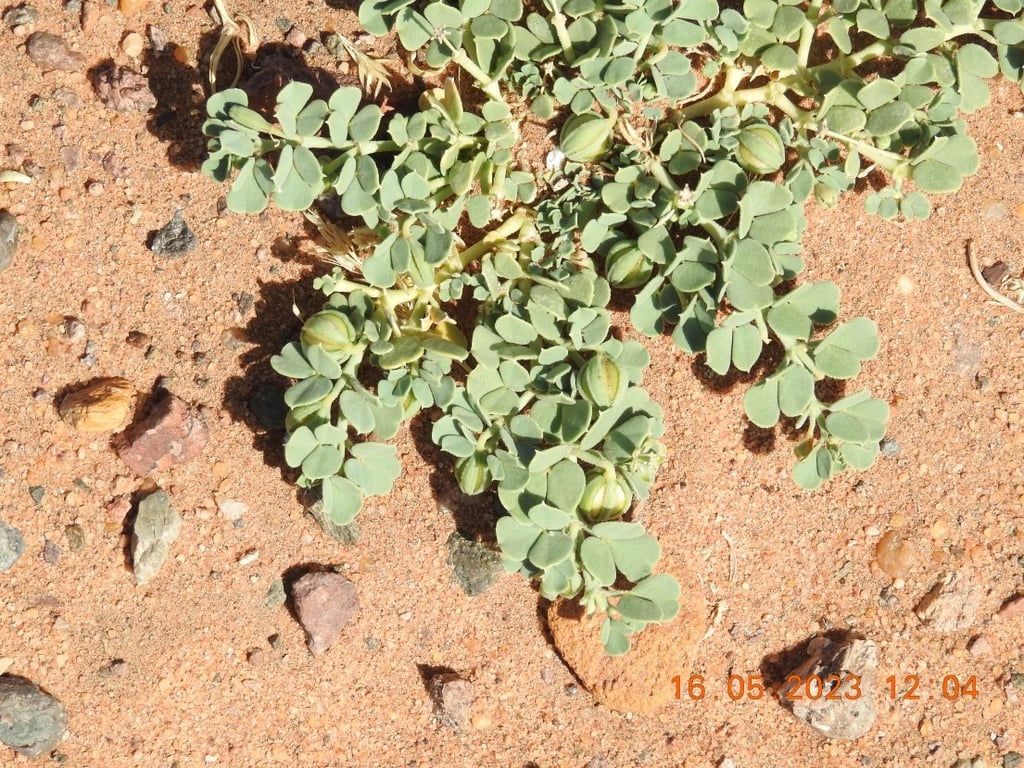
We offer comprehensive flora assessment services, including quadrat sampling, to accurately evaluate the composition, distribution, and abundance of plant species in a given area:
Quadrate sampling is a scientific method that involves examining small, representative plots to gain insights into the vegetation dynamics of larger ecosystems.
Our expert team can conduct detailed vegetation surveys, identify native and invasive species, and assess the health and diversity of plant communities.
This data is crucial for informing ecological restoration, conservation efforts, and environmental impact assessments.
Whether you need to monitor the success of habitat restoration, track changes in biodiversity, or meet regulatory requirements, we provide tailored solutions to suit your project's needs.
Mammal Assessment
We offer a wide range of mammal assessment services, utilizing various methods to gain comprehensive insights into ecosystems. Our services include:
Our integrated approach combines these methods to provide a comprehensive picture of both flora and fauna, contributing to conservation planning, habitat restoration, and environmental impact assessments. Whether your project requires a quick survey or an in-depth ecological study, we deliver tailored, science-based solutions to meet your objectives.
Bats Assessment
We specialize in bat assessments by utilizing advanced techniques such as installing full-spectrum bat detectors to monitor bat activity. Our bat assessment services are essential for:
Pre-development surveys to ensure compliance with environmental regulations.
Biodiversity assessments to monitor the health and diversity of bat populations.
Conservation efforts to protect endangered bat species and their habitats.
Habitat restoration projects where understanding bat usage can influence management plans.
In addition to installing detectors, we analyse the data collected to provide detailed reports that inform decision-making and conservation planning.
Whether it's for environmental impact assessments, mitigation strategies, or habitat management, our bat detection services offer precise, science-driven insights to protect these vital nocturnal species.
Walkover Surveys
Camera Traps
Sherman Traps
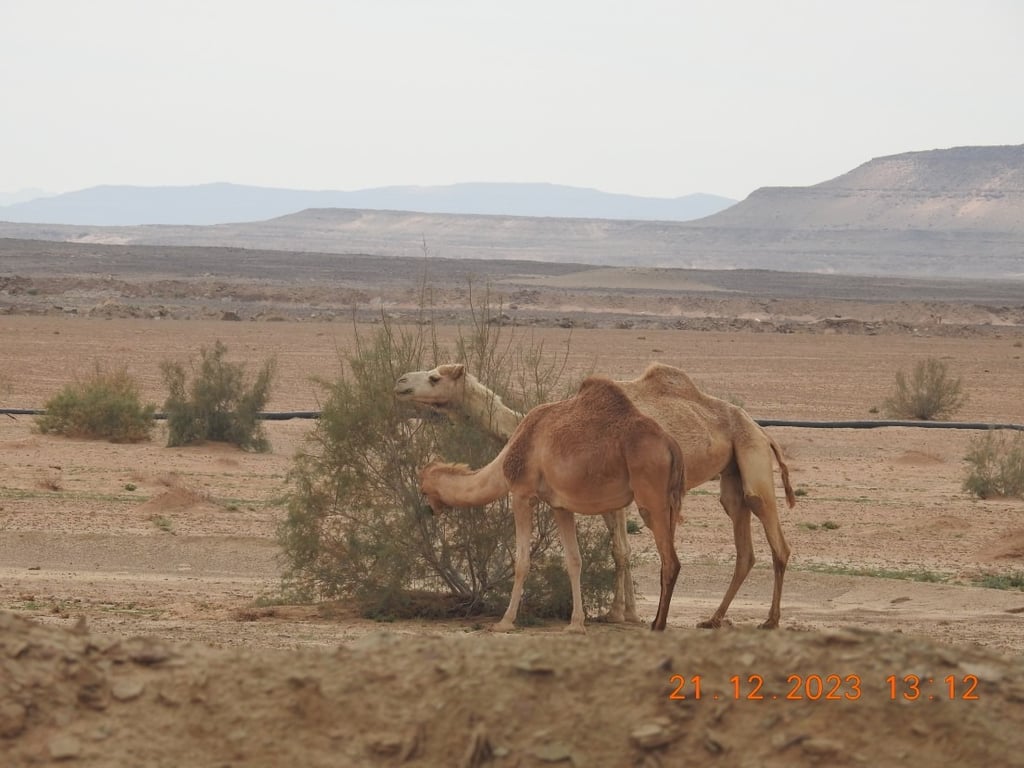
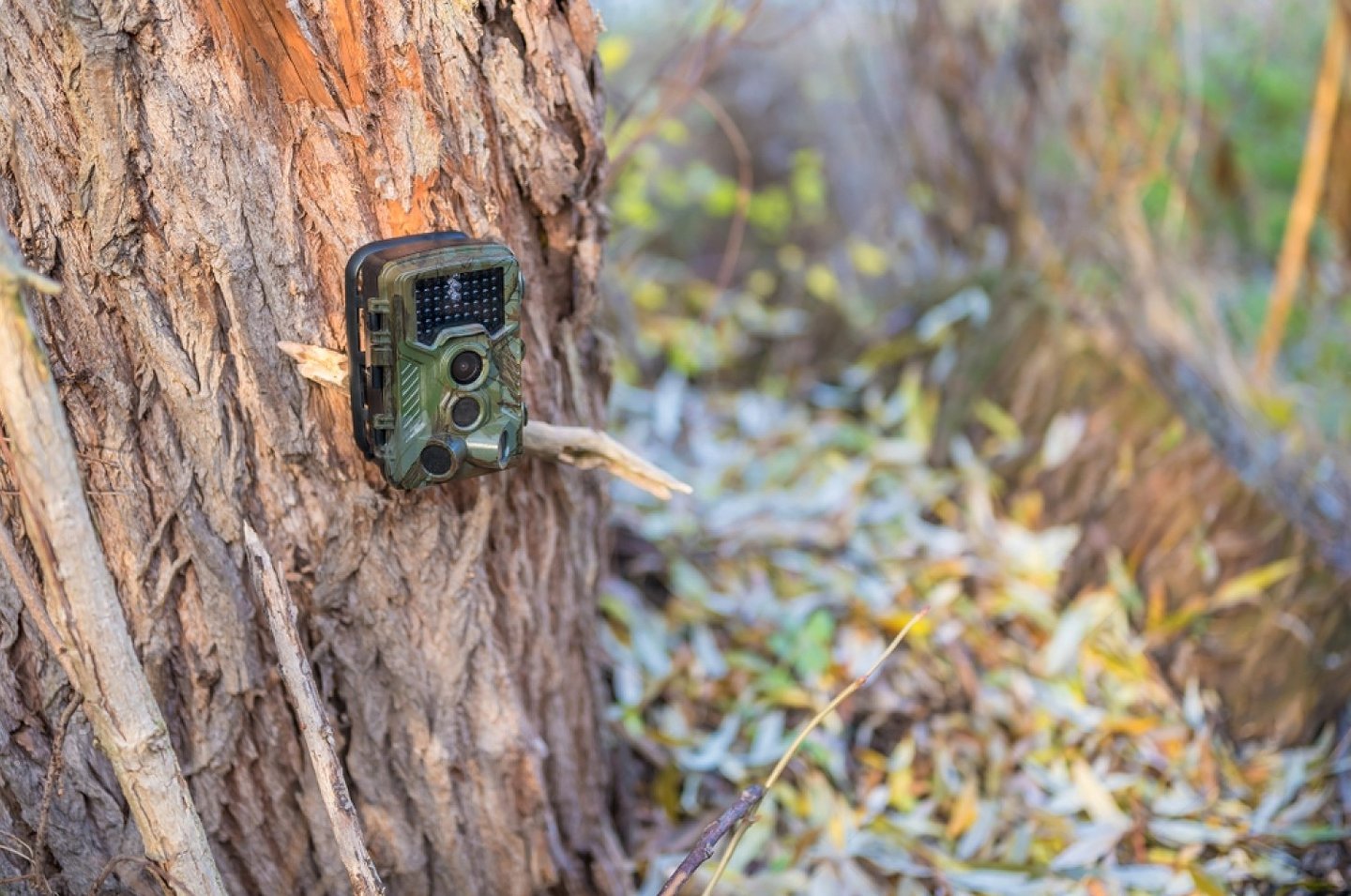
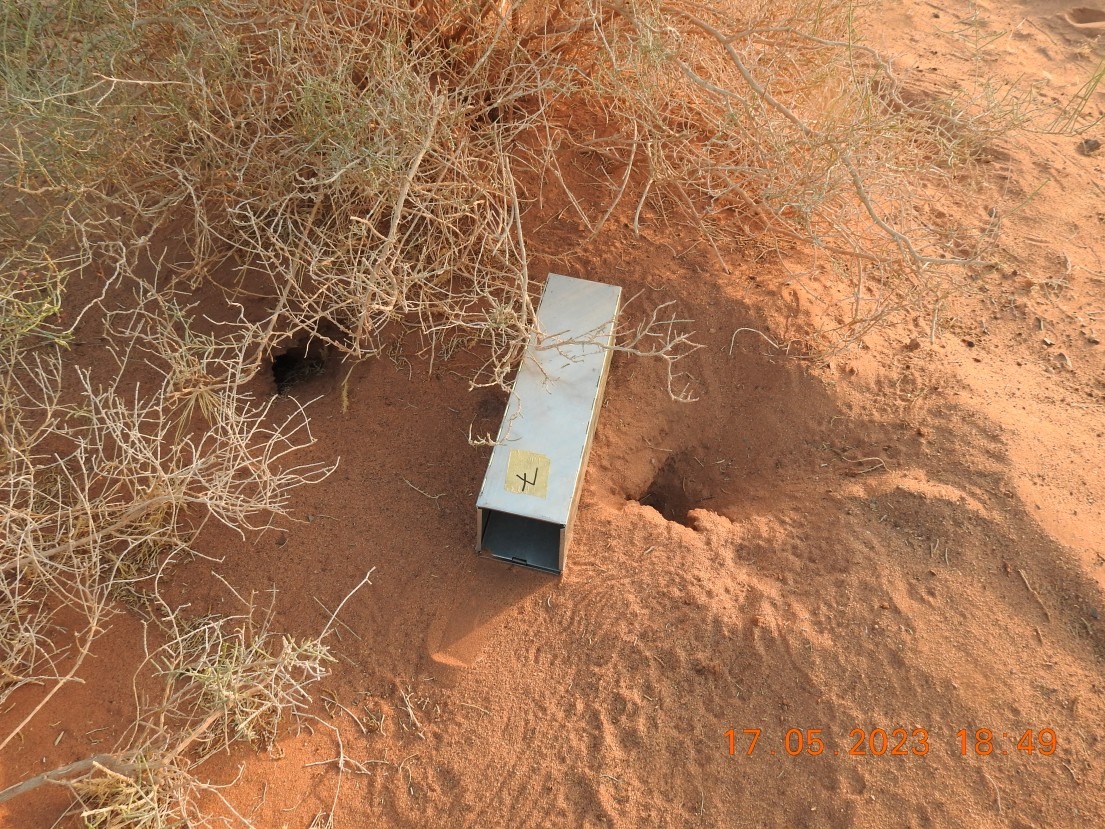
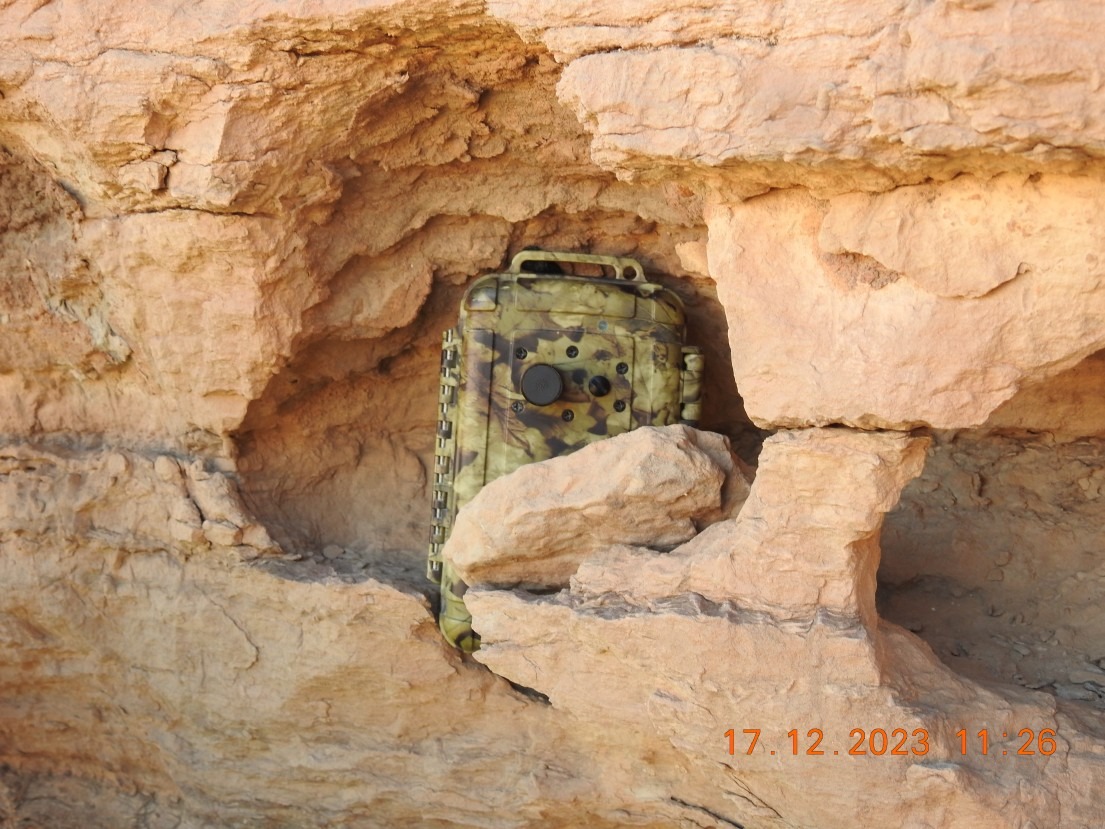
We utilize full-spectrum bat detectors to monitor bat activity and presence in various habitats
Avifauna Assessment
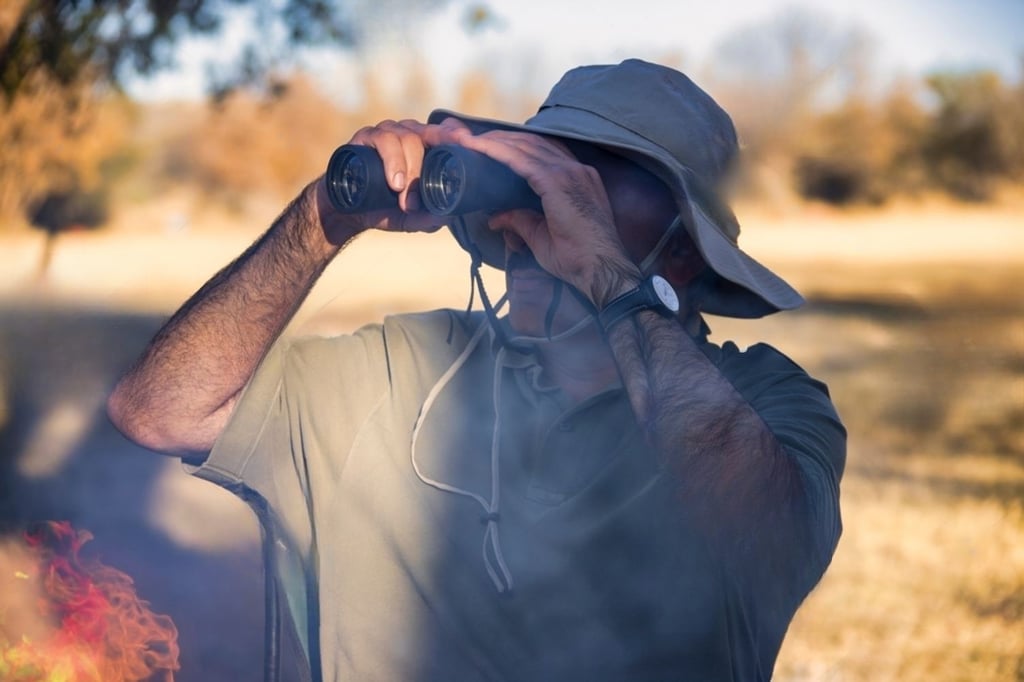
We provide comprehensive avifauna (bird) assessment services, employing the latest and most effective techniques to accurately assess bird populations, species diversity, and habitat use. Our approach is tailored to meet the specific needs of each project and includes:
Walkover Surveys
Point Count Surveys
Vantage Point Surveys
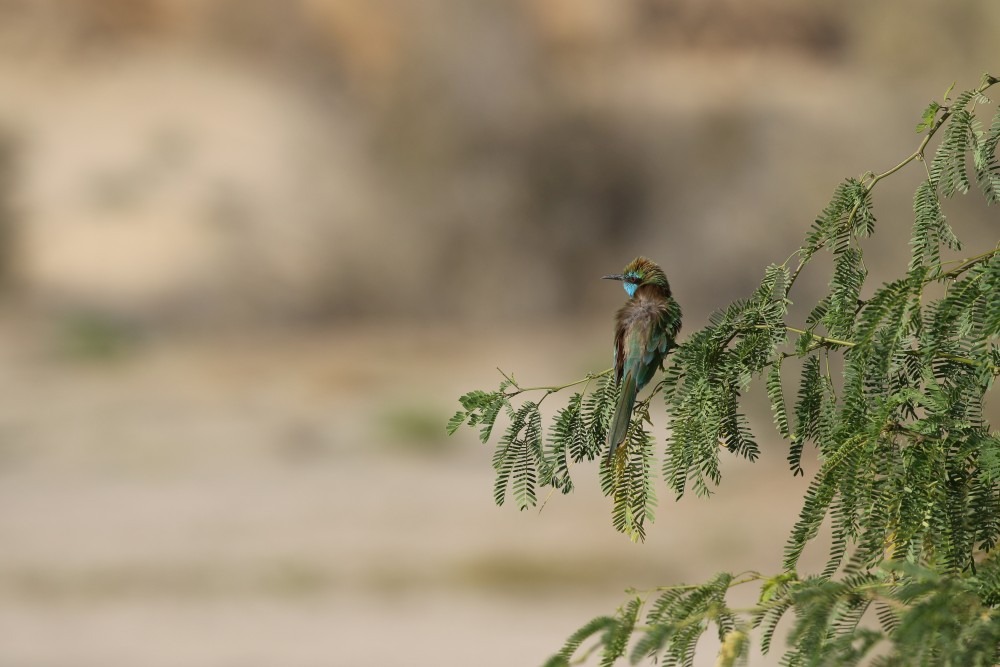

In addition to traditional methods, we incorporate the latest technology, such as acoustic monitoring devices, to capture bird calls and drones for surveying inaccessible areas. These advanced tools enhance our ability to gather detailed and accurate data on bird species and their habitats.
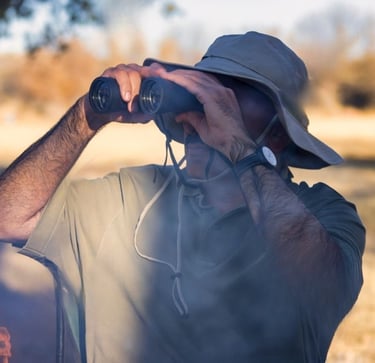


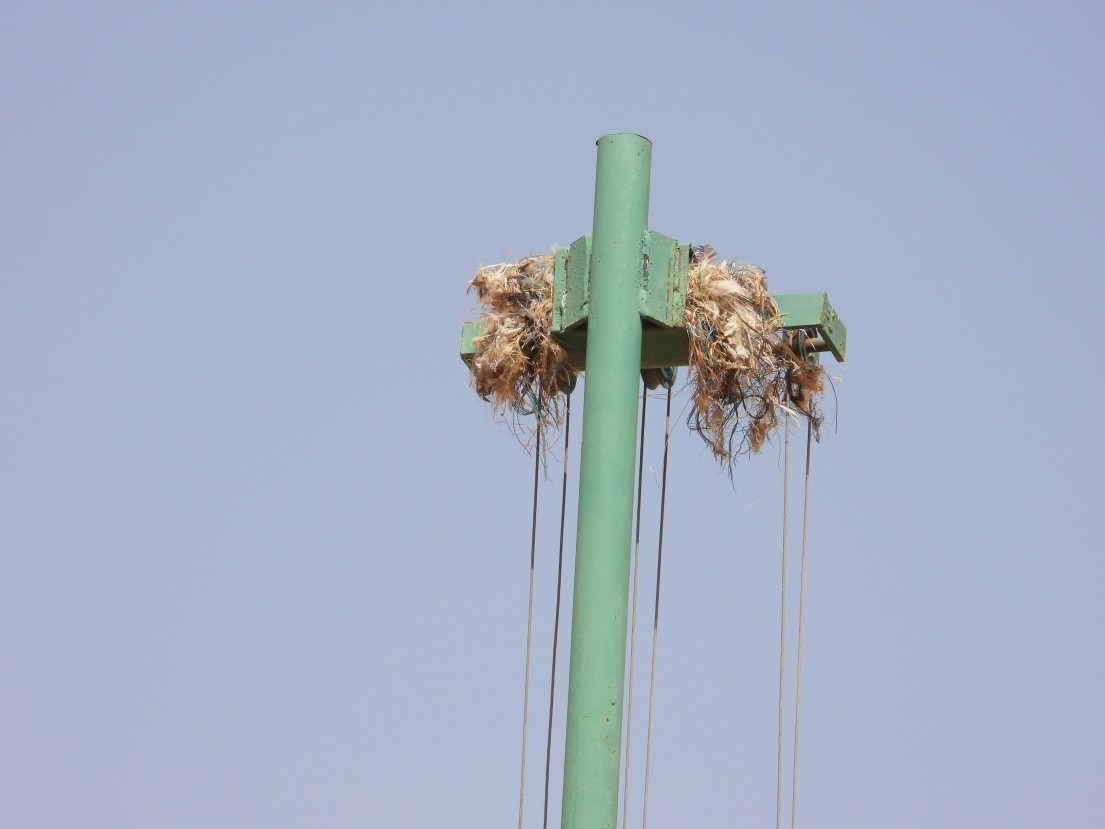
Bird Nest Surveys
We offer specialized bird nest surveys, employing thorough search techniques to identify active nests in various habitats, including bushes, shrubs, and trees. This service is essential for ensuring compliance with wildlife protection regulations and minimizing disturbance to nesting birds during development or land management activities.
Our bird nest surveys involve:
Detailed Habitat Search
Species-Specific Knowledge
Timing Considerations
Legal Compliance and Conservation
Mitigation and Recommendations
Our bird nest surveys are designed to help clients meet their environmental and legal obligations while supporting the conservation of bird populations. Whether you’re conducting a development project, habitat management, or ecological restoration, our surveys provide essential data to safeguard nesting birds and contribute to the overall protection of avian biodiversity.
Reptiles Assessment
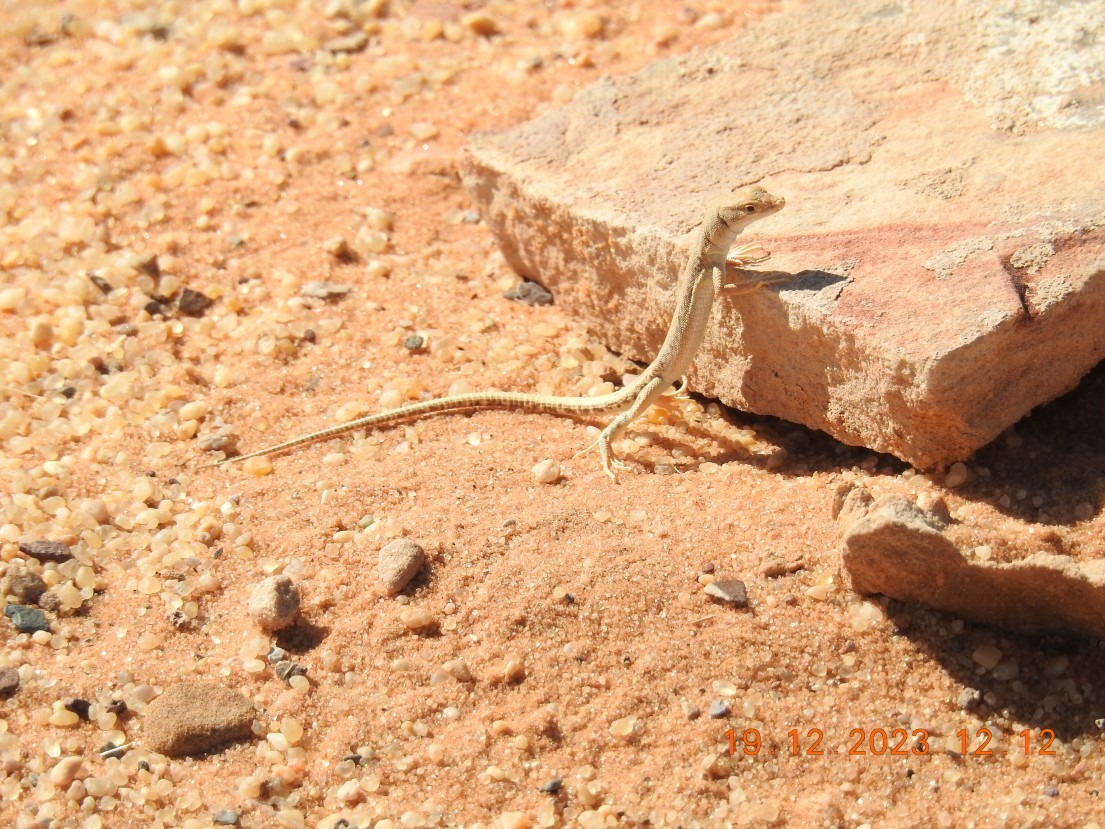
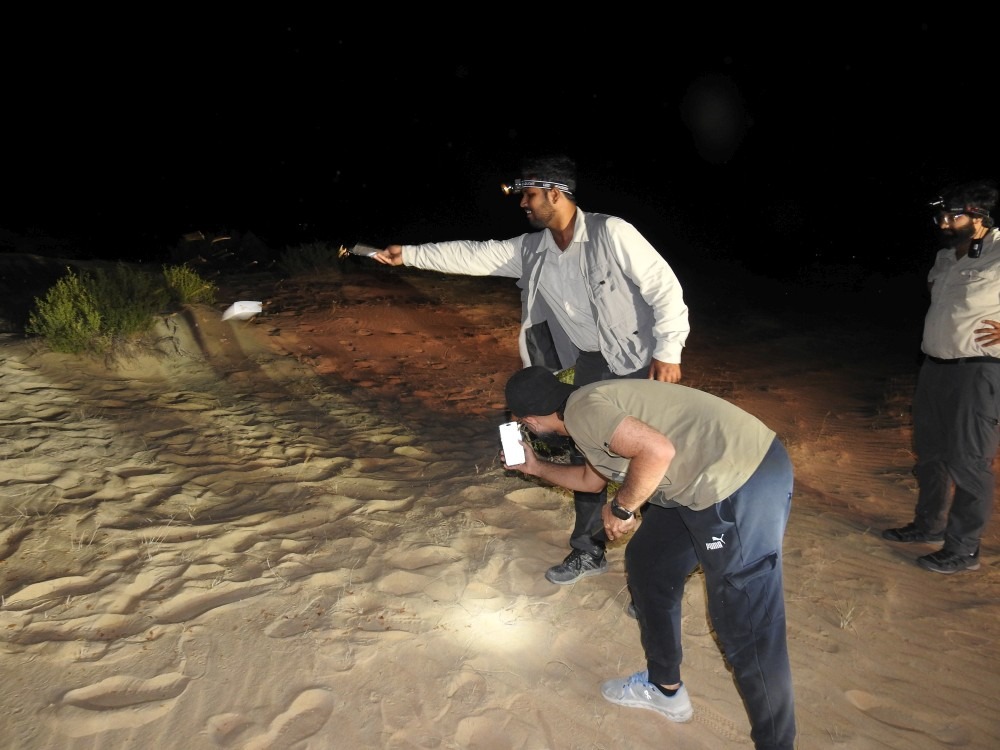
We provide comprehensive reptile assessments, employing a range of methods to accurately assess reptile presence, diversity, and habitat use. Our reptile surveys are designed to identify species in various environments, ensuring that ecological impacts are minimized during development or land management projects.
Our approach includes:
Walkover Surveys
Active Searches
Nocturnal Surveys
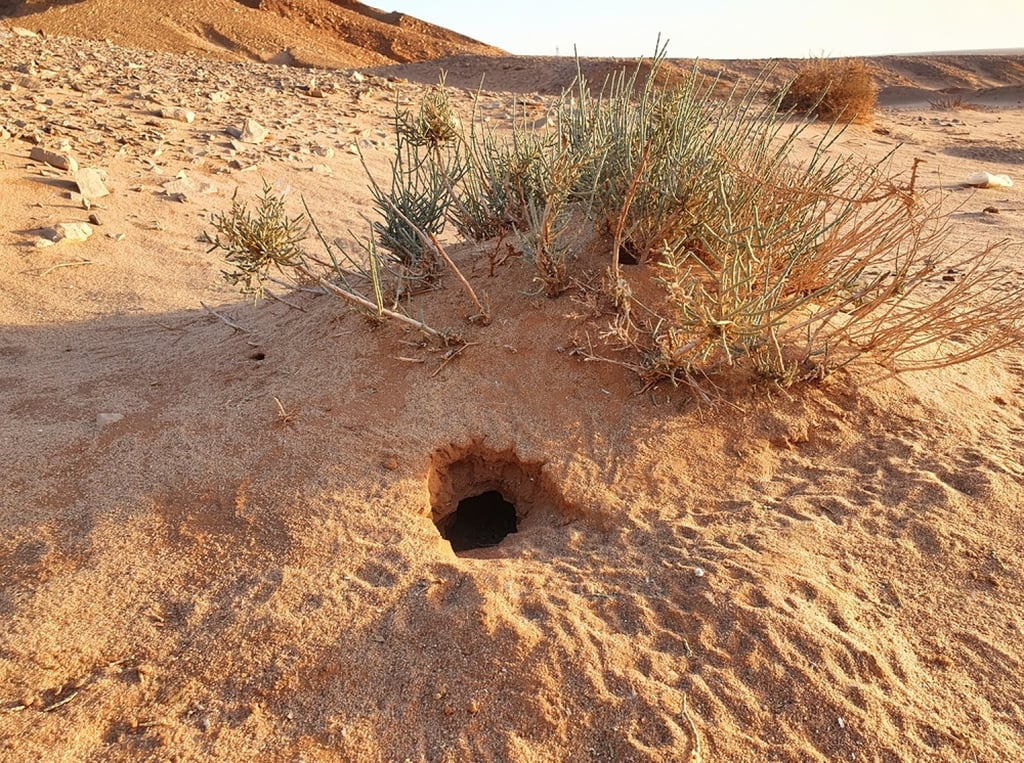
Indirect Evidence
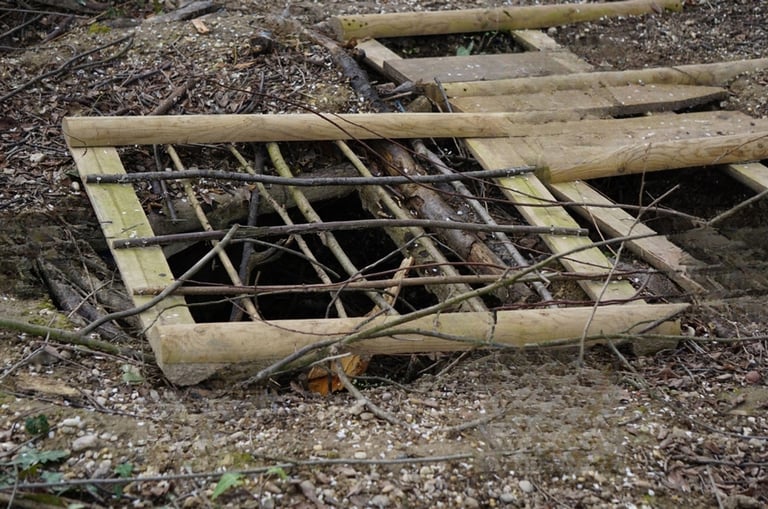
Trapping & Monitoring

Insects Assessment
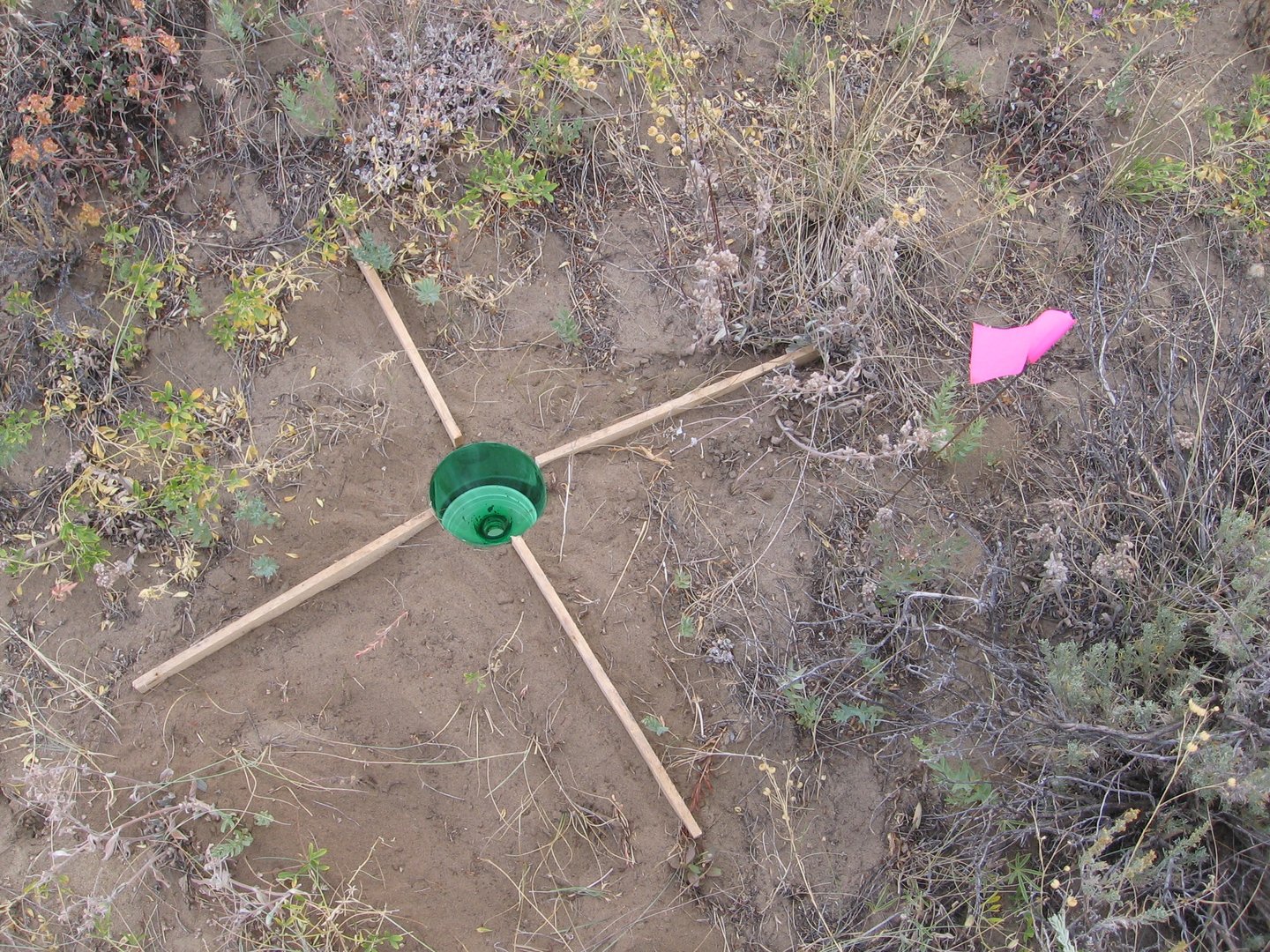
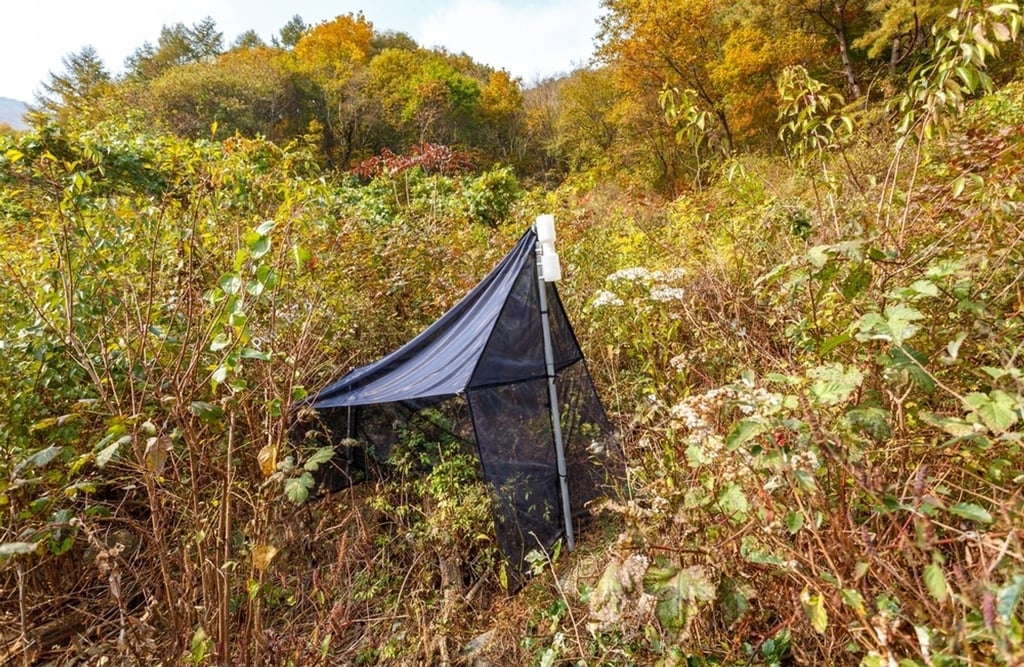
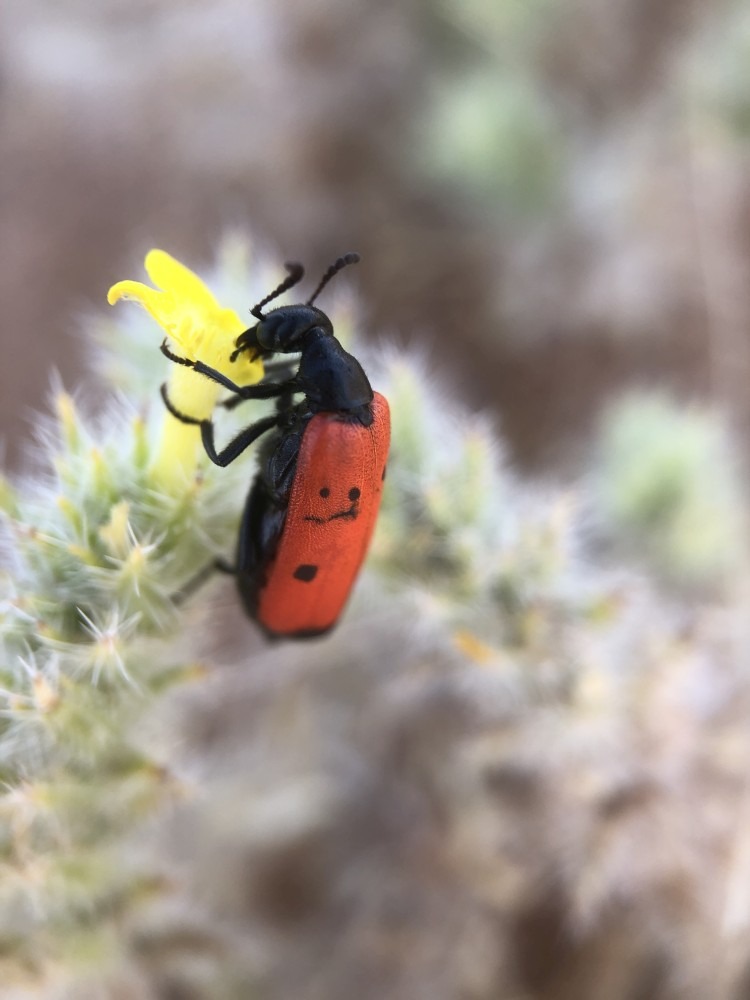
We provide thorough insect assessments, utilizing a variety of techniques to assess the diversity, abundance, and ecological significance of insect populations in a given area. Our insect surveys are designed to capture a wide range of insect species, ensuring comprehensive data collection for ecological studies, environmental impact assessments, or conservation projects.
Our methods include:
Pitfall Traps
Malaise Traps
Sweep Netting
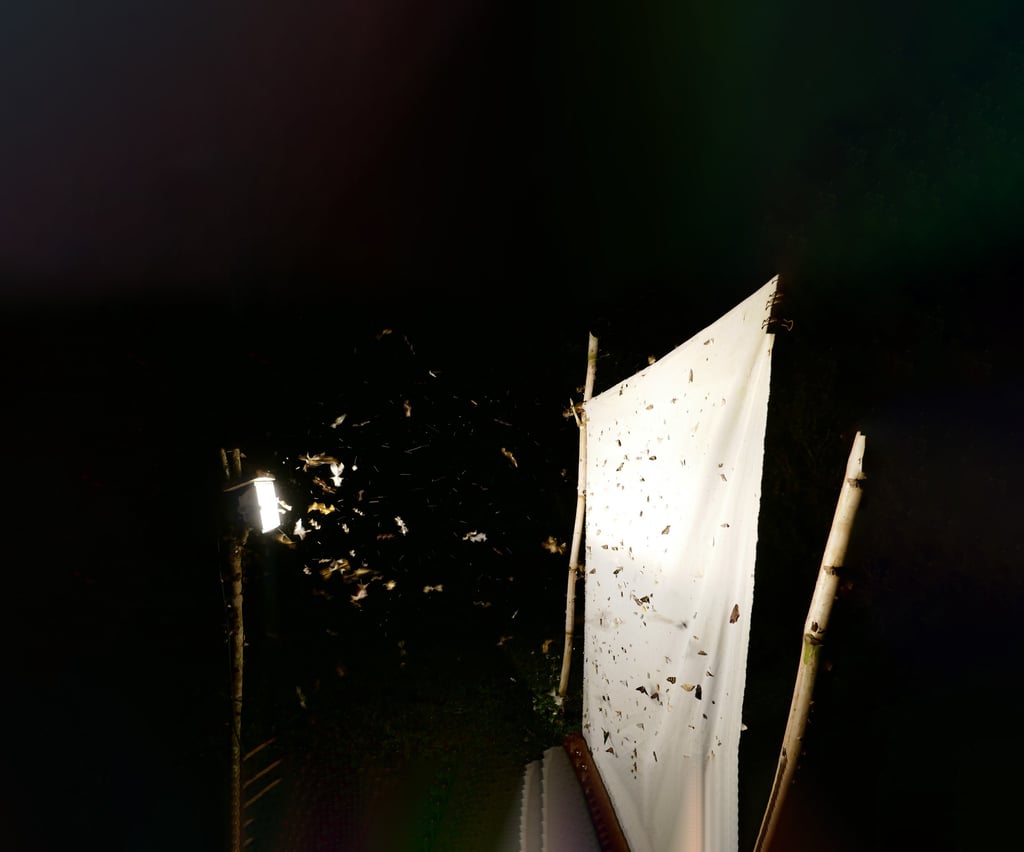
Light Trapping
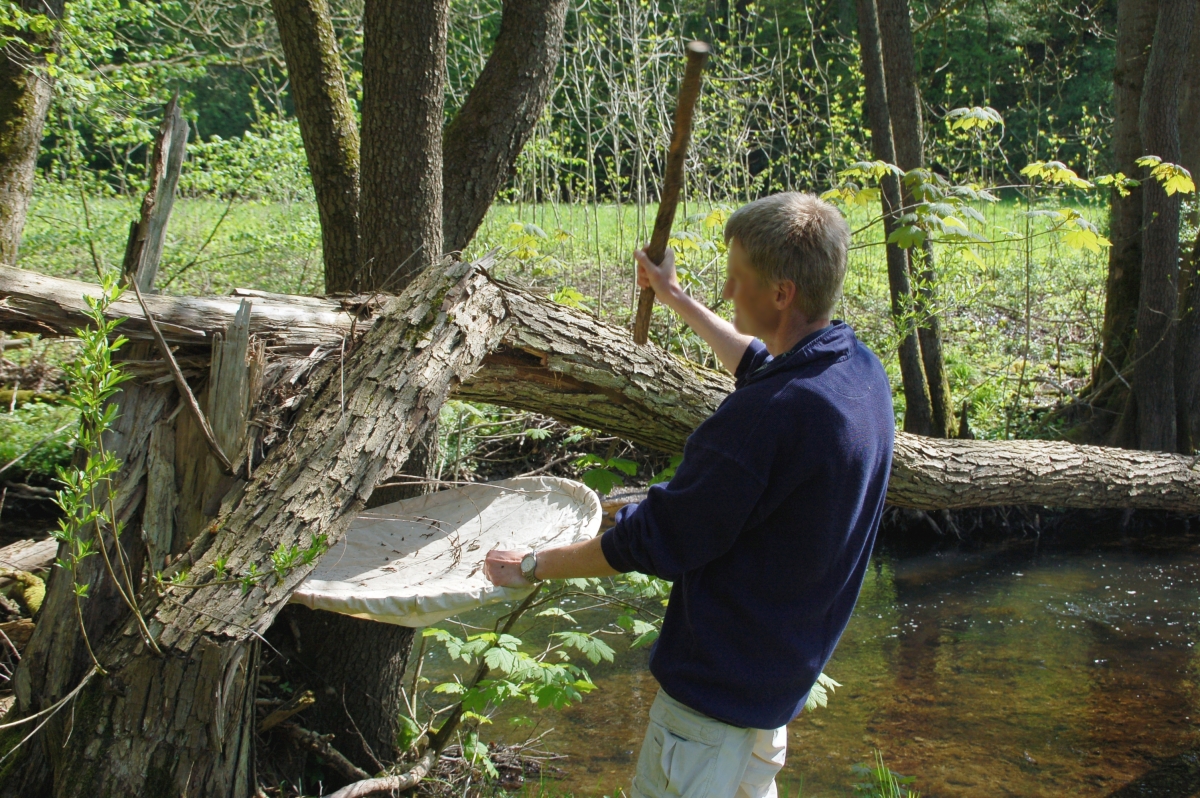
Beating & Shaking
Targeted Sampling for Pollinators




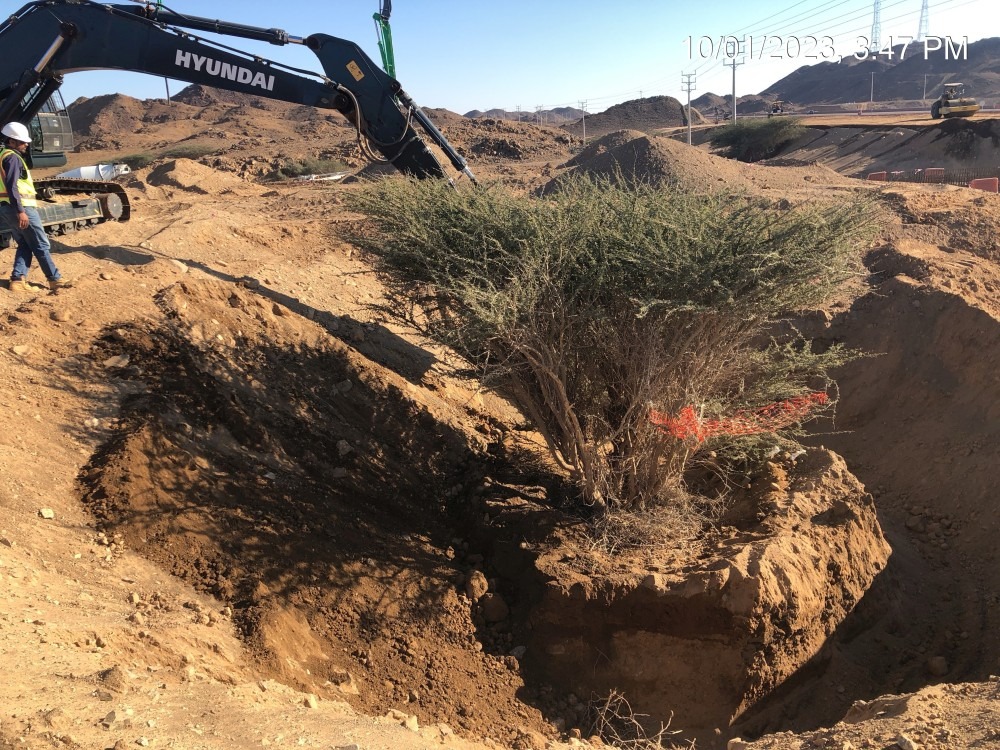
Assessment of Tree Translocation
We offer comprehensive assessment and translocation services for native trees to ensure their protection and preservation during construction or development projects.
Our expertise in this area helps minimize ecological impacts while allowing for continued development in an environmentally responsible manner.
Here’s how we approach the assessment and translocation of native trees:
Pre-Construction Tree Assessment
Translocation Feasibility Study
Detailed Tree Translocation Plan
Translocation Execution
Post-Translocation Monitoring and Maintenance
Marine Ecology
We offer comprehensive Marine Ecology services aimed at understanding and preserving the intricate ecosystems of our oceans and coastal areas.
Our team of marine ecologists employs advanced methodologies to assess the health and biodiversity of marine environments, including habitat mapping, species surveys, and ecological monitoring.
We focus on the interactions between marine organisms and their habitats, providing insights into the impacts of human activities, climate change, and pollution on marine ecosystems.
Through tailored assessments and research, we help clients develop effective management strategies that promote sustainable practices, enhance marine biodiversity, and protect vital resources for future generations.
Whether it’s for development projects, conservation efforts, or regulatory compliance, we are dedicated to supporting the health and resilience of marine environments.

Epi-benthic Ecology
Epi-benthic Ecology surveys designed to assess and monitor the health and biodiversity of critical marine habitats, including coral reefs, seagrass beds, and various benthic environments. Our team employs state-of-the-art techniques and equipment to gather detailed ecological data, enabling effective management and conservation efforts. Here’s how we can assist you with these surveys:
Survey Planning and Design
Advanced Data Collection Techniques
- Drop-down Cameras
- Diving Surveys
- Photography and Videography
Comprehensive Data Analysis
Plankton Sampling & Analysis
Plankton Sampling and Analysis is a critical component of aquatic ecology, providing essential insights into the health and dynamics of marine and freshwater ecosystems.
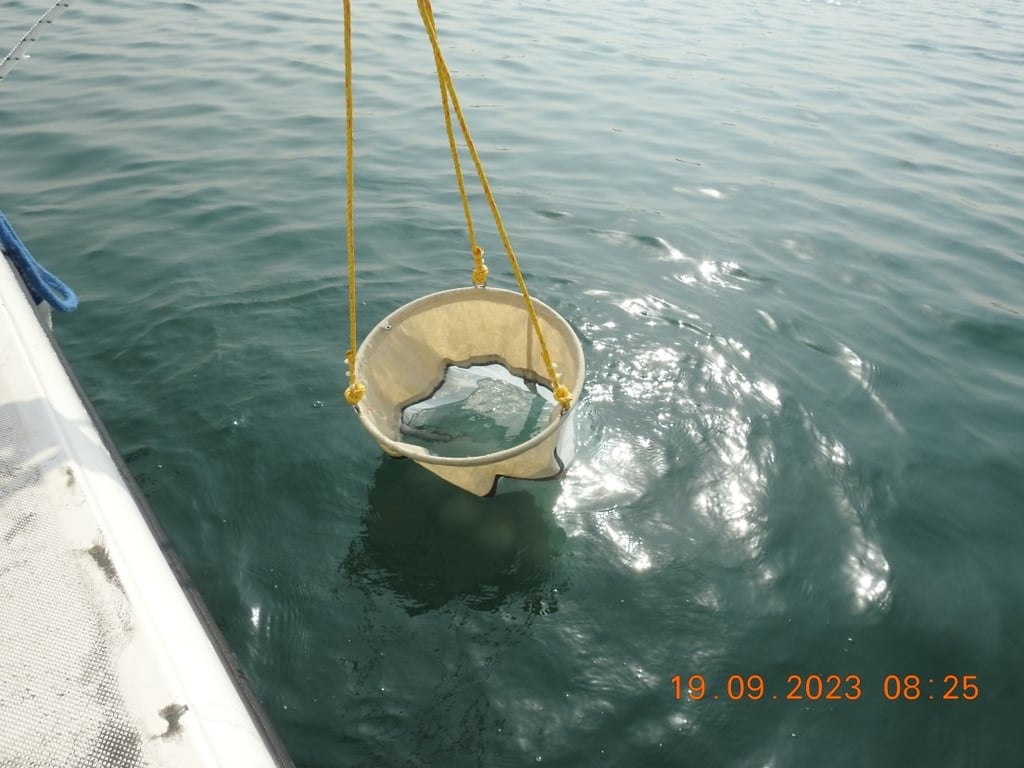
Our comprehensive plankton sampling services involve collecting water samples using specialized nets or traps to capture both phytoplankton (plant-like organisms) and zooplankton (animal-like organisms).
We analyse these samples in the laboratory to identify species composition, abundance, and biomass, which are vital indicators of ecosystem health and productivity.
Through detailed data analysis, we can assess nutrient cycling, food web dynamics, and the impacts of environmental changes, such as pollution and climate change.
By providing accurate and timely information on plankton populations, we support effective management and conservation strategies for aquatic environments, helping to ensure the sustainability of these vital ecosystems.
Macro-benthic Infauna Sampling & Analysis
Macro-benthic infauna sampling and analysis involves the collection and examination of small aquatic organisms living within sediment layers on the seafloor, which play a crucial role in marine and freshwater ecosystems.
This process typically includes deploying specialized sampling techniques, such as grab samplers or core samplers, to gather sediment samples from various habitats.
Once collected, the samples are processed in the laboratory to identify and quantify the diverse infaunal species present, allowing researchers to assess the ecological health of aquatic environments.
By analysing the composition and abundance of macro-benthic infauna, scientists can infer water quality conditions, sediment stability, and overall ecosystem function.
This valuable information supports environmental management and restoration efforts, helping to ensure the sustainability of aquatic habitats.
Marine Mammal, Birds & Reptiles Monitoring
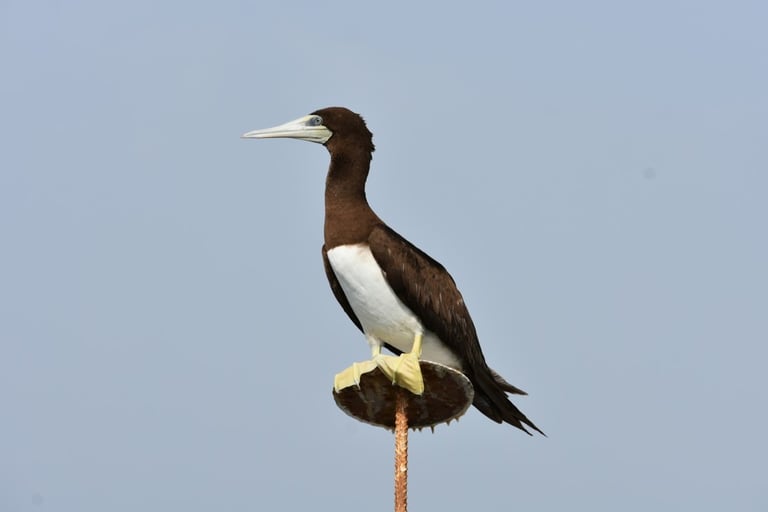
Our Marine Mammal, Birds, and Reptiles Monitoring services are designed to assess and protect the diverse wildlife that inhabits our coastal and marine environments.
Through a combination of field surveys, observational studies, and the latest tracking technologies, we gather critical data on species distribution, population dynamics, and habitat use.
Our dedicated team employs methods such as boat-based surveys for marine mammals, aerial surveys for seabirds, and ground-based monitoring for reptile populations, ensuring a comprehensive understanding of these ecosystems.
This monitoring not only aids in identifying conservation priorities but also supports the development of effective management strategies to mitigate human impacts, enhance biodiversity, and promote the overall health of marine and coastal habitats.




Coral & Seagrass Translocation
Coral transplantation offers a viable solution for preserving marine ecosystems in threatened areas. With advancements in coral propagation, farming, and planting, it is now possible to restore degraded reefs – provided environmental conditions are suitable – or establish new coral habitats on artificial reef structures. AJEC’s specialized team is equipped to safely remove and transplant corals, aiming to rescue those at immediate risk and promote the recovery of damaged reefs, artificial structures, and tourism-focused marine sites. Additionally, the team can develop sustainable coral propagation programs and nurseries to enhance the biodiversity of marinas and resorts.
Seagrasses are essential for the health and stability of marine ecosystems, serving as critical habitats for numerous marine species, reducing coastal erosion by stabilizing sediments and acting as significant carbon sinks to mitigate climate change. Recognizing their ecological importance, AJEC implements advanced translocation techniques, including direct seeding and plug translocation, to restore degraded seagrass meadows and establish new ones where conditions are favourable. These efforts not only enhance biodiversity but also contribute to improved water quality and overall ecosystem resilience. To ensure the sustainability of our restoration projects, we implement comprehensive monitoring programs that track seagrass growth, survival rates, and environmental changes, allowing for adaptive management and long-term success.


Rewilding & Translocation

AJEC believes in restoring ecological systems not just by conserving habitats, but by reintroducing species and restoring natural functions.
We help restore keystone and umbrella species where they have been lost, reviving ecosystem resilience and biodiversity.
Our Rewilding & Translocation services blend rigorous science, ethical stewardship, and local collaboration to revitalize ecosystems - by reintegrating native wildlife and enabling natural functions to resume - leading to long-term ecological resilience:
Site & Species Feasibility Assessments: We conduct in-depth evaluations of habitat suitability, species survival potential, ecological functionality, and long-term management requirements. Assessments consider regional biodiversity frameworks, climatic constraints, and current land uses.
Translocation Planning & Operational Execution: We develop robust, science-based translocation protocols including capture logistics, veterinary screening, soft-release strategies, and acclimatization procedures. These are tailored to species behaviour, local terrain, and environmental stressors.
Habitat Engineering & Species Facilitation: Our rewilding strategies often include habitat restoration measures such as native vegetation replanting, erosion control, waterpoint development, and exclusion fencing. These interventions are designed to support both reintroduced species and broader ecological regeneration.
Stakeholder & Landholder Integration: Successful rewilding hinges on active collaboration. We work closely with landowners, regulators, and community partners to align ecological goals with local priorities - whether for land stewardship, tourism, education, or ecosystem services.
Post-release Monitoring & Adaptive Management: We employ telemetry tracking, camera trapping, field surveys, and health checks to evaluate the success of each project. We apply an adaptive management approach, using real-time feedback to fine-tune interventions and secure long-term outcomes.
Mangrove Restoration & Monitoring

At AJEC, we adopt a comprehensive strategy for mangrove conservation and restoration, blending scientific research, diverse restoration techniques, and cutting-edge monitoring tools to safeguard and revitalize these essential ecosystems.
Our restoration practices are adapted to suit the unique environmental and biological dynamics of mangrove ecosystems, employing techniques such as:
Planting & Propagule Dispersal: Utilizing propagules sourced locally to maintain genetic diversity.
Hydrological Restoration: Restoring natural water flow in areas where it has been obstructed to support ecological balance.
Green Infrastructure: Promoting natural alternatives to traditional infrastructure by leveraging mangroves' ability to mitigate storm damage and protect coastal communities.
We integrate innovative monitoring methods to ensure the effectiveness and durability of our restoration initiatives, including:
Fish & Benthic Assessments: Conducting underwater surveys to evaluate habitat conditions and marine life populations, highlighting the ecological significance of mangroves.
Water Quality Assessments: Measuring key parameters like salinity, temperature, dissolved oxygen, chlorophyll, and pH to maintain conditions conducive to mangrove growth.
Habitat Mapping: Developing detailed spatial maps that include metrics such as plant health, biomass, and canopy height for better ecosystem management.
Water Quality Monitoring

Our Water Quality Monitoring services encompass comprehensive assessments of groundwater, marine water, and wastewater through both in-situ and ex-situ sampling techniques.
We utilize in-situ sampling to collect real-time data directly from water bodies, measuring key parameters such as pH, dissolved oxygen, turbidity, and specific contaminants on-site.
For ex-situ sampling, we gather water samples for laboratory analysis, allowing for a detailed examination of chemical, biological, and physical properties.
This dual approach ensures a thorough understanding of water quality conditions, enabling us to identify pollution sources, assess ecological health, and support compliance with environmental regulations.
By delivering accurate and actionable insights, we empower clients to make informed decisions that protect and enhance water resources.
Soil / Sediment Quality Monitoring

We provide comprehensive Soil and Sediment Quality Monitoring to assess the health and integrity of soil and sediment in various environments, including urban, agricultural, and natural settings.
Our expert team conducts detailed sampling and analysis to identify potential contaminants, nutrient levels, and overall soil structure.
By utilizing advanced laboratory techniques and in-field testing methods, we assess the presence of heavy metals, hydrocarbons, pesticides, and other harmful substances, ensuring that all findings comply with environmental regulations.
Our assessments not only help clients understand the current state of their soil and sediment but also inform remediation strategies and sustainable land management practices, promoting healthy ecosystems and supporting regulatory compliance.
Odour Assessment & Monitoring

We specialize in Odour Assessment & Monitoring services to identify and evaluate sources of unpleasant odours that may impact communities, industries, or natural environments.
Our comprehensive approach involves conducting detailed field surveys and utilizing advanced odour monitoring equipment to capture and analyse odour emissions at their source.
By employing sensory evaluations and chemical analysis techniques, we can determine the intensity, frequency, and character of odours.
Our team also works closely with clients to develop effective mitigation strategies that address odour issues, ensuring compliance with relevant regulations while promoting community well-being and environmental health.
Through our expertise, we help organizations minimize odour-related complaints and enhance their operational practices for a cleaner, healthier environment.
Ambient Air Quality Monitoring

We provide comprehensive Ambient Air Quality Monitoring services to assess and manage air pollution, ensuring compliance with environmental regulations and protecting public health.
Using advanced monitoring equipment, we measure key pollutants like particulate matter (PM10, PM2.5), nitrogen oxides (NOx), sulfur dioxide (SO2), and volatile organic compounds (VOCs).
Our tailored monitoring plans and real-time data analysis enable businesses and communities to make informed decisions, mitigate risks, and improve air quality.
Whether for regulatory compliance, environmental impact assessments, or post-construction monitoring, we deliver precise data to support sustainable environmental outcomes.
Indoor Air Quality Monitoring

We offer specialized Indoor Air Quality Monitoring services to ensure safe and healthy indoor environments for homes, workplaces, and public facilities.
Our comprehensive approach involves assessing key indoor pollutants, including volatile organic compounds (VOCs), carbon dioxide (CO2), carbon monoxide (CO), humidity, and particulate matter.
By utilizing state-of-the-art monitoring equipment, we provide real-time data that helps identify potential sources of indoor air pollution and assess compliance with health standards.
Our team collaborates with clients to develop tailored strategies for improving indoor air quality, enhancing occupant comfort, productivity, and overall well-being while minimizing health risks associated with poor air quality.
Stack Emission Monitoring

We offer specialized Stack Emission Monitoring services to evaluate the emissions from industrial stacks and exhaust systems, ensuring compliance with environmental regulations and industry standards.
Utilizing advanced sampling and analysis techniques, we measure key pollutants, including particulate matter (PM), carbon monoxide (CO), sulfur dioxide (SO2), nitrogen oxides (NOx), and volatile organic compounds (VOCs).
Our comprehensive monitoring solutions provide accurate, real-time data that helps organizations assess their environmental performance, identify sources of emissions, and implement effective mitigation strategies.
By supporting compliance with local and national regulations, we empower our clients to minimize their environmental impact and contribute to cleaner air quality.
Particulate Matter (Dust) Monitoring

We offer specialized Particulate Matter (Dust) Monitoring services to measure and analyse airborne particulate levels in various environments.
Our approach includes the use of state-of-the-art monitoring equipment to detect and quantify particulate matter, such as PM10 and PM2.5, which can have significant health impacts on communities and ecosystems.
By conducting comprehensive assessments, we help identify dust sources, evaluate compliance with environmental regulations, and implement effective mitigation strategies.
Our expertise supports industries, construction sites, and urban areas in managing dust emissions, promoting cleaner air, and enhancing the overall health and well-being of residents and wildlife.
Environmental Noise Monitoring

We offer Environmental Noise Monitoring services to assess and manage noise pollution in various settings, ensuring compliance with local regulations and enhancing community well-being.
Utilizing advanced sound level meters and monitoring equipment, we capture and analyse noise levels from different sources, such as traffic, construction activities, and industrial operations.
Our comprehensive monitoring plans provide valuable insights into noise patterns, helping clients identify areas of concern and implement effective mitigation strategies.
Whether for pre-construction assessments, ongoing compliance checks, or community impact studies, our expertise ensures that noise levels are managed responsibly to protect both the environment and the quality of life for residents.
Creating a sustainable future where businesses, communities, and ecosystems thrive in harmony
Contact Us
Tel: +971 6 543 9928 • Fax: +971 6 543 9948
Mob: +971 56 508 7368 • +966 55 721 7144 (KSA)
© 2026. All rights reserved.
Head Office
202 - Building 164,
Sheikh Khalifa Bin Zayed Street,
Industrial Area 4, P.O. Box 48521,
Sharjah, UAE


Follow Us On